
Running a business in the UK today means dealing with more data, more tools, and more processes than ever before. Many organisations are still stuck patching together spreadsheets, emails, and disconnected software just to get through the day. It slows everything down and leaves too much room for error.
That is where platforms like Yophilfozcova software come in. If you have been hearing about it and wondering how Yophilfozcova software work in practice, this guide is for you. We will walk through exactly what it does, how it works under the hood, which UK industries are using it, and what you need to know before you invest.
No jargon. No fluff. Just clear, honest information.
What Is Yophilfozcova Software and Who Is It For
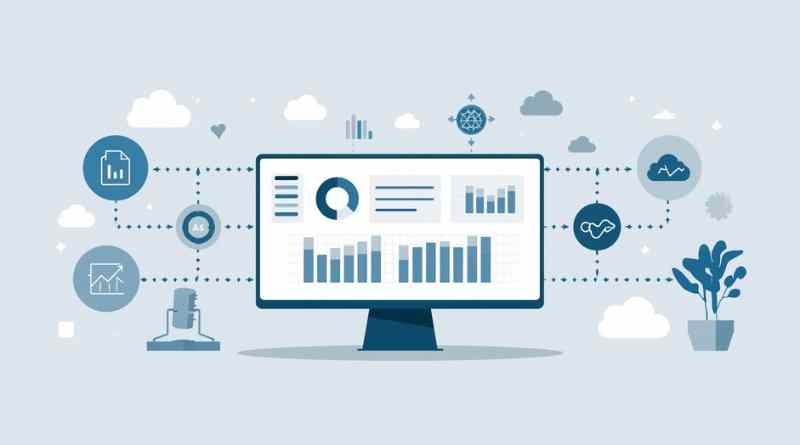
Yophilfozcova software is a workflow automation and analytics platform built to help organisations connect their existing systems, automate repetitive processes, and turn raw data into useful business insight.
At its core, it solves a problem most mid-sized businesses know well: too many systems that do not talk to each other, too much manual work in between, and not enough visibility into what is actually happening across the organisation.
The platform is built for operations managers, IT leads, and decision-makers in mid-sized UK enterprises. It is particularly relevant for teams that handle large volumes of data, run complex workflows, or operate in regulated industries where compliance and audit trails matter.
UK businesses are exploring it now because digital transformation is no longer optional. With growing pressure to cut operational costs, improve efficiency, and meet tightening data regulations, having a platform that handles automation and analytics in one place is genuinely useful.
How Yophilfozcova Software Actually Works: A Step-by-Step Breakdown
This is the part most articles skip over. They tell you what the software does but never explain how it actually works. Here is a clear, step-by-step picture.
Step 1: Data Collection
The process starts with data ingestion. Yophilfozcova software connects to your existing tools, CRM systems, ERP platforms, databases, cloud apps, and third-party services, through APIs and data connectors. It pulls information from all these sources into one centralised environment.
This means you do not have to manually export reports or copy data between systems. The software does it automatically, on a schedule or in real time depending on your setup.
Step 2: Processing and the Rules Engine
Once the data is collected, the platform’s processing engine gets to work. This is where logic, rules, and machine learning algorithms are applied. You define conditions and triggers, for example, “if stock levels drop below 200 units, flag for reorder” and the engine evaluates incoming data against those rules continuously.
Machine learning adds a layer of intelligence on top. Instead of just reacting to what has happened, the system can identify patterns and start predicting what is likely to happen next. This shifts your team from reactive to proactive.
Step 3: Automation Execution
When a condition is met, the workflow fires. That might mean sending an alert to a team member, creating a task in your project management tool, triggering a purchase order, or updating a record in your CRM. The action happens automatically, without anyone needing to manually check or intervene.
This is where the time savings really add up. Tasks that used to require someone to spot a problem, notify the right person, and then wait for action now happen instantly.
Step 4: Reporting and Dashboards
The results of all this activity are surfaced through real-time dashboards and reporting modules. Managers can see performance metrics, workflow status, exception reports, and trend data at a glance.
Dashboards are customisable, so different teams see the information most relevant to them. A supply chain manager sees inventory flow. A compliance officer sees audit logs. A senior leader sees headline KPIs. Everyone gets clarity without having to dig through raw data.
Step 5: Review and Optimisation
Yophilfozcova software is not a set-and-forget tool. The platform gives you performance data on your workflows, which ones are running well, which are triggering too often, and where bottlenecks are forming. Over time, users refine rules, adjust thresholds, and improve workflows based on real evidence.
This continuous improvement loop is what separates genuinely effective automation from automation that just runs in the background without delivering value.
Core Features at a Glance
Here is a quick overview of the key features and why each one matters for UK businesses specifically.
| Feature | What It Does | Why It Matters for UK Businesses |
|---|---|---|
| API Integration | Connects existing tools and data sources | Reduces silos and manual data transfers |
| Workflow Automation | Triggers actions based on defined rules | Saves time and reduces human error |
| ML-Powered Analytics | Analyses patterns and predicts outcomes | Enables proactive, data-led decisions |
| Real-Time Dashboards | Shows live performance metrics | Keeps teams aligned without manual reporting |
| Audit and Compliance Logs | Records all workflow activity with timestamps | Essential for UK regulatory and GDPR requirements |
| User Permissions and Roles | Controls who can access and edit what | Strengthens data governance across the organisation |
| Scheduling and Alerts | Automates reminders and task triggers | Prevents missed deadlines and process gaps |
Real-World Use Cases Across UK Industries
Understanding how Yophilfozcova software work is easier when you see it applied to real situations. Here are five examples drawn from the kinds of organisations already using platforms like this across the UK.
Retail
A mid-sized retail chain uses the platform to connect point-of-sale data directly with inventory and supplier systems. When a product hits a reorder threshold, a purchase order is automatically raised and sent to the supplier. The result is fewer stockouts, less manual purchasing admin, and a measurable reduction in wasted staff time.
Logistics and Transport
A logistics provider uses sensor data from its vehicle fleet to feed into the platform. Machine learning models analyse patterns in vehicle performance data and flag when a component is likely to fail before it actually does. Maintenance is scheduled proactively, cutting unplanned downtime and reducing costly emergency repairs.
Healthcare
NHS-adjacent organisations and private healthcare providers use the platform to track patient workflow steps and ensure compliance documentation is completed correctly at every stage. Automated alerts ensure nothing falls through the cracks, and audit logs provide a clear, timestamped record for regulatory reviews.
Manufacturing
A manufacturing business uses real-time production monitoring through the platform. When output drops below target or a quality check fails, alerts are automatically sent to the floor manager and the relevant maintenance team. Response times improve significantly because no one has to spot the problem manually.
Professional Services
Accountancy and legal firms use the platform to automate client onboarding workflows. New client documents trigger a sequence of tasks: identity checks, contract generation, file creation, and welcome communications. What used to take two days of manual coordination now takes a few hours, and nothing gets missed.
Key Benefits UK Businesses Actually See
Once you understand how the platform works, the benefits become obvious. But it is worth being specific rather than listing vague claims.
Automation cuts the time staff spend on repetitive, low-value tasks. That time goes back into higher-value work — strategy, client relationships, problem-solving, rather than data entry and chasing approvals.
Fewer manual steps means fewer errors. In industries like healthcare, finance, or logistics, a single data entry mistake can have serious consequences. Removing the human hand from routine tasks reduces that risk significantly.
Real-time dashboards give managers and senior leaders a live view of operations without needing to request reports. Decisions get made faster because the information is already there.
Compliance becomes easier to manage. With full audit logs and automated compliance checks built into workflows, UK businesses operating under GDPR, FCA, or sector-specific regulations have a reliable paper trail without extra effort.
The platform scales without requiring a full rebuild. As your organisation grows or your processes change, you adjust workflows rather than replace your entire system. That is a significant long-term cost advantage.
Finally, smarter resource use supports sustainability goals. Optimised workflows mean less energy, less waste, and more efficient use of human and physical resources, something increasingly important to UK businesses with ESG commitments.
Honest Challenges to Plan For
No platform is perfect, and it would be dishonest to present this one as a simple, instant fix. Here is what to plan for before you commit.
Legacy system integration takes time. If your organisation runs older software or systems that were never designed to connect with modern APIs, getting them to talk to Yophilfozcova software will require proper technical work. Budget for it.
Your data needs to be clean first. Automation amplifies what is already in your systems. If your data is inconsistent, duplicated, or incomplete, the platform will automate bad outputs just as efficiently as good ones. Data preparation is not optional — it is step one.
Staff adoption determines success more than the technology does. The most sophisticated workflow platform in the world delivers nothing if people do not use it correctly. Change management, proper training, and internal champions in each department are essential.
Total cost goes beyond the licence fee. Implementation, training, ongoing support, and internal resource time all add to the real cost. Make sure your business case reflects the full picture, not just the headline price.
GDPR and data security must be reviewed carefully. The platform handles sensitive business and potentially personal data. Before go-live, work through a data protection impact assessment and confirm how the software handles data storage, access, and deletion in line with UK GDPR obligations.
How to Implement Yophilfozcova Software in Your UK Organisation
A clear implementation roadmap makes the difference between a smooth rollout and a frustrating one. Here is a practical sequence that works.
1. Audit your current processes. Before touching any technology, map out your existing workflows. Identify which processes are most repetitive, most error-prone, or most time-consuming. These are your highest-priority automation candidates.
2. Prepare your data. Assess the quality and structure of data in your current systems. Clean it, standardise it, and establish how it will connect to the platform. This step is unglamorous but critical.
3. Run a contained pilot. Choose one workflow and implement it fully. Measure the results against a clear baseline. This proves value, builds confidence in the team, and surfaces integration issues before they affect your entire operation.
4. Train your people properly. Identify internal champions in each department, people who understand both the technology and the day-to-day work. Give them proper training and make them the first point of contact for questions from their colleagues.
5. Set measurable KPIs. Define what success looks like before you start. Time saved per week, error rate reduction, process completion speed, user adoption percentage, pick the metrics that matter to your business and track them from day one.
6. Review and iterate regularly. Build a quarterly review process into your plan. Workflows need tuning as your business changes. Treat the platform as a living system that improves over time, not a one-time installation.
What Is Next for Yophilfozcova Software
The platform’s future trajectory aligns well with where UK business technology is heading. Advances in artificial intelligence, edge computing, and the Internet of Things are creating new possibilities for real-time, intelligent automation at a scale that was not practical even a few years ago.
In the UK specifically, smart infrastructure projects, connected supply chains, and digital-twin environments in manufacturing are creating demand for platforms that can handle high-frequency data streams and make autonomous decisions in milliseconds.
Interoperability will be the key battleground. Businesses want platforms that play well with everything else in their stack, not ones that create new silos. Yophilfozcova software’s API-first architecture positions it reasonably well here, though keeping pace with an ever-expanding ecosystem of tools will remain an ongoing challenge.
Security and privacy will also continue to shape development. As automation handles more sensitive decisions and data flows, the expectations around transparency, auditability, and user control will only increase.
Frequently Asked Questions
What does Yophilfozcova software actually do day to day?
On a practical level, it connects your existing business systems, automates workflows based on rules and conditions you define, and surfaces performance data through real-time dashboards. Day to day, it means fewer manual tasks, faster responses to operational changes, and better visibility for managers and team leads. It runs in the background handling the routine so your people can focus on the work that actually needs human judgement.
Is Yophilfozcova software suitable for smaller UK businesses?
The platform is designed primarily with mid-sized enterprises in mind, but smaller businesses with complex operations or high data volumes can benefit too. The honest caveat is that smaller organisations need to weigh the implementation investment, time, cost, and internal resource, against the scale of the efficiency gains they are likely to see. A business running simple, low-volume processes may not get enough return to justify the cost. One with complex, high-volume workflows almost certainly will.
How long does a typical implementation take?
This depends heavily on the complexity of your existing systems and how many workflows you want to automate from the start. A focused pilot covering one or two workflows can be up and running in four to eight weeks. A full organisation-wide rollout with multiple integrations and departments involved typically takes three to six months. Rushing implementation to hit an arbitrary deadline is one of the most common reasons these projects underdeliver, so building in enough time is genuinely important.
Does Yophilfozcova software comply with UK GDPR?
Any platform that processes personal data in a UK business context needs to be evaluated against UK GDPR requirements. This means reviewing how the software stores data, where it is hosted, who has access, and how deletion and subject access requests are handled. Before signing any contract, UK organisations should request a data processing agreement and conduct or commission a data protection impact assessment. Compliance is not something the vendor can simply claim, it needs to be verified for your specific use case and data types.
How is this different from other workflow automation tools already on the market?
The distinguishing features tend to be the combination of machine learning analytics with workflow automation in a single platform, plus the emphasis on compliance logging which is particularly relevant for regulated UK industries. Many automation tools handle simple rule-based triggers well but lack predictive analytics. Others offer strong analytics but require separate automation tools alongside them. The integration of both in one platform, with built-in audit capabilities, is the main differentiator for UK businesses in regulated sectors.
What happens if the software flags an error or a workflow fails?
The platform includes alerting and exception management built into its workflow engine. When a workflow fails to execute as expected, because a data connection dropped, a threshold was not met, or an external system returned an error, the relevant team member is notified automatically. Audit logs capture exactly what happened, when, and why, which makes troubleshooting straightforward. Most issues can be diagnosed and resolved without needing to escalate to technical support, though that channel is available for more complex problems.
Conclusion
Understanding how Yophilfozcova software work is really about understanding how modern businesses can remove the friction between their systems, their data, and their people. When it is implemented thoughtfully, with clean data, proper training, and clear goals, the platform delivers genuine operational improvement.
But the technology is only part of the equation. The organisations that get the most from it are the ones that treat it as a strategic tool, not a quick fix. They invest in change management, they measure outcomes, and they keep improving over time.
If your business is dealing with manual bottlenecks, disconnected systems, or growing compliance complexity, Yophilfozcova software is worth a serious look. Start with a clear process audit, identify your highest-impact workflows, and build from there.
The best time to modernise your operations is before the pressure becomes critical. Start the conversation now.

