
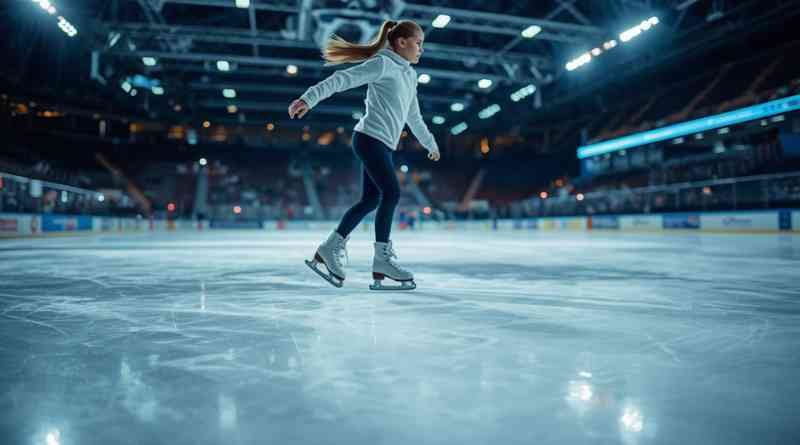
The question why does ksayim hsiung want to be an ice skate often appears in searches driven by curiosity about a name that seems mysterious, trending, or possibly fictional. At first glance, it looks like a simple query, but it actually opens the door to a much deeper discussion about motivation, identity, and the emotional pull of ice skating as both a sport and an art form.
Ice skating is not just about gliding on frozen surfaces. It blends athletic skill with artistic expression, where movement, music, and emotion come together in a unique performance. This combination makes it one of the most expressive sports in the world.
In this article, we will explore the possible reasons behind this curiosity-driven question, break down what ice skating truly involves, and understand the emotional and psychological motivations that often inspire people to pursue it. We will also look at the real-life journey of becoming an ice skater, from first steps on the ice to competitive performance levels.
Who Is Ksayim Hsiung? (Context & Clarity Section)
The name Ksayim Hsiung does not appear in verified public records or widely recognized sports databases. This suggests that it may be:
- A fictional or symbolic name
- A typo or internet-generated variation
- A trending search phrase without a real-world identity
- A character used in storytelling or content experiments
In today’s digital world, it is common for unusual names or phrases to gain attention through social media, AI-generated content, or viral discussions. People often search these terms out of curiosity, trying to understand whether the person is real or part of a story.
This is part of a broader internet behavior pattern where users explore unfamiliar names connected to sports, celebrities, or trending narratives. In this case, the focus shifts away from the identity itself and more toward the idea behind the question: why someone would want to become an ice skater in the first place.
What Does It Mean to Be an Ice Skater?
Ice skating is a sport where individuals move on ice using special blades attached to boots. It can be recreational, artistic, or competitive depending on the level and purpose.
Recreational skating is usually done for fun, fitness, or leisure. People enjoy gliding on ice in skating rinks without focusing on technical performance.
Professional figure skating, however, is much more complex. It involves structured training, choreography, and performance under strict scoring systems.
To become an ice skater, several core skills are essential:
- Balance: maintaining stability on slippery surfaces
- Coordination: controlling body movements smoothly
- Discipline: consistent training and practice routines
These skills form the foundation for everything else in skating, from simple glides to advanced jumps and spins.
Common Reasons People Want to Become Ice Skaters
People are often drawn to ice skating for a mix of emotional, physical, and creative reasons. The same can help explain the curiosity behind why does ksayim hsiung want to be an ice skate.
Passion for Movement and Art
Ice skating is often seen as a form of moving art. Every step, spin, and glide can express emotion without words.
Skaters frequently connect their routines with music, allowing rhythm to guide movement. This combination creates a powerful sense of expression that feels natural to many performers.
For creative individuals, skating becomes more than a sport. It becomes a way to communicate feelings through motion.
Influence from Media and Role Models
Many people discover ice skating through exposure to:
- Olympic performances
- International figure skating championships
- Viral skating videos on social media
Watching skilled skaters perform complex routines often creates admiration and inspiration. Young viewers may feel motivated to try skating themselves after seeing how graceful and powerful it can look.
Role models in sports also play a major role. Athletes who perform under pressure and achieve global recognition often inspire new generations to follow the same path.
Love for Challenge and Competition
Ice skating is not easy. It requires constant practice, discipline, and patience.
People who enjoy challenges are often attracted to it because:
- Skills improve gradually over time
- Advanced jumps require repeated failure and retry
- Progress feels deeply rewarding
Mastering a difficult spin or landing a jump after multiple attempts creates a strong sense of achievement. This motivates skaters to continue pushing forward.
Psychological Motivation Behind Ice Skating Dreams
The emotional and mental benefits of skating play a huge role in why people pursue it.
One major factor is emotional release. Skating allows individuals to express feelings through movement rather than words. This can be deeply therapeutic.
Ice skating also helps with stress relief. The focus required on balance and motion forces the mind to stay present, reducing overthinking and anxiety.
Over time, skating becomes part of identity. People start seeing themselves as skaters, not just participants.
Confidence also grows with practice. Each improvement builds belief in one’s ability to overcome challenges.
Ice Skating Journey (Beginner to Advanced Path)
Understanding the journey helps explain the depth behind skating motivation.
Step 1 – First Time on Ice
The first experience on ice is usually a mix of fear and excitement. Many beginners struggle with balance and fall frequently.
Despite this, the thrill of moving on ice often creates curiosity and motivation to continue.
Step 2 – Learning Basics
In this stage, skaters learn:
- How to move forward
- How to stop safely
- How to turn smoothly
These basic skills form the foundation of future progress.
Step 3 – Intermediate Skills
Once basic control is developed, skaters begin learning:
- Spins
- Simple jumps
- Better edge control
This stage requires more discipline and regular practice.
Step 4 – Competitive Level
Advanced skaters train for performance and competition. Their routines include:
- Complex jumps and combinations
- Choreographed programs
- Artistic expression under scoring systems
This stage also brings pressure, as performance is judged publicly.
Challenges in Becoming an Ice Skater
Ice skating is rewarding but demanding. Some major challenges include:
- Physical injuries such as sprains or muscle strain
- Long training hours, often daily practice sessions
- High financial cost of coaching, costumes, and equipment
- Mental pressure during competitions and performances
These challenges require strong commitment and resilience.
Emotional Connection With Ice Skating
For many skaters, the ice rink becomes a place of emotional freedom.
Gliding on ice creates a feeling of lightness and escape. It allows individuals to express emotions that may be difficult to communicate otherwise.
Skating also plays a role in shaping personal identity. Over time, it becomes part of how someone defines themselves.
Role of Community in Ice Skating
Ice skating is often seen as an individual sport, but community support plays a major role.
Coaches guide technical development, while teammates provide motivation and encouragement.
Shared practice environments create understanding among skaters. Everyone experiences falls, progress, and improvement together.
This shared journey builds emotional support and a sense of belonging.
Comparison Table – Ice Skating Motivation Types
| Motivation Type | Description | Example |
|---|---|---|
| Artistic | Expression through movement and music | Dancing on ice routines |
| Competitive | Focus on winning and ranking | Olympic training programs |
| Recreational | Fun and fitness activity | Casual skating at rinks |
| Emotional | Stress relief and mental balance | Relaxing skating sessions |
Could Ksayim Hsiung’s Story Be Symbolic?
It is possible that the question why does ksayim hsiung want to be an ice skate is not about a real person but a symbolic or narrative idea.
In online content, fictional names are often used to:
- Explore emotional storytelling
- Represent general human experiences
- Create curiosity-driven SEO topics
This means the name could represent anyone who dreams of becoming an ice skater, rather than a specific individual.
Understanding this helps shift focus from identity to meaning.
Final Thoughts
The question why does ksayim hsiung want to be an ice skate is less about a confirmed identity and more about understanding human motivation.
Ice skating represents a unique blend of sport and art. It attracts people through emotion, challenge, discipline, and creativity. Whether inspired by media, personal passion, or emotional expression, the journey toward skating is deeply personal and meaningful.
At its core, skating is about movement, growth, and self-expression. Every skater begins with uncertainty but continues because something about the ice feels right.
FAQs
Why do people become ice skaters?
People become ice skaters for many reasons, including passion for movement, love of performance, or interest in competition. Some are inspired by watching professionals, while others enjoy skating as a personal hobby. It is a sport that blends emotion with physical skill.
Is ice skating hard to learn?
Yes, ice skating can be challenging at the beginning. Most beginners struggle with balance and frequent falls. However, with regular practice, basic skills become easier, and confidence improves over time.
How long does it take to become a professional skater?
Becoming a professional ice skater can take several years of consistent training. Many start at a young age and train daily. Progress depends on dedication, coaching, and natural ability.
What skills are needed for ice skating?
Key skills include balance, coordination, flexibility, and discipline. Mental focus is also important because skating requires control of both body and timing.
Is figure skating a sport or art?
Figure skating is both a sport and an art form. It involves athletic performance combined with musical expression and choreography, making it unique compared to other sports.
Why is ice skating so popular?
Ice skating is popular because it is visually beautiful and emotionally expressive. It combines movement, music, and performance, which makes it enjoyable to watch and practice.
Can anyone learn ice skating?
Yes, almost anyone can learn ice skating with practice. Age and background do not matter as much as patience and willingness to learn.
What motivates young skaters?
Young skaters are often motivated by inspiration from professionals, enjoyment of movement, and personal goals. Support from coaches and family also plays an important role in their development.

